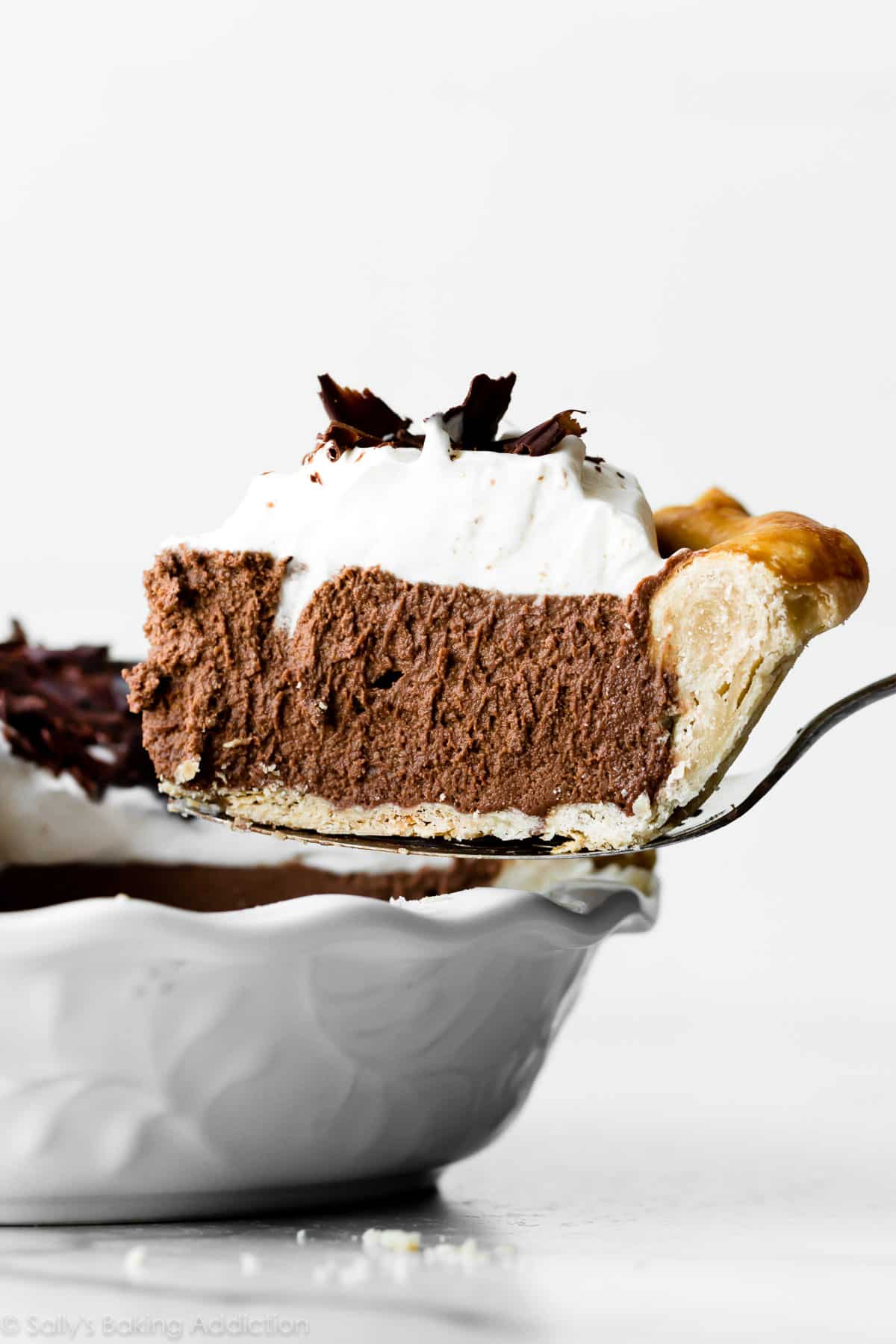
Unlock the Secrets to the Ultimate French Silk Pie Recipe: Article 2
There are few desserts that evoke the same sense of luxurious indulgence as a classic French Silk Pie. With its impossibly smooth, intensely chocolatey filling nestled in a crisp, buttery crust and crowned with a cloud of whipped cream, it’s a showstopper for any occasion. While our first article,
french silk pie recipe - Article 1, delved into the foundational steps of creating this masterpiece, this second installment is dedicated to perfecting every nuance, offering advanced tips, troubleshooting common issues, and exploring delightful variations to truly elevate your homemade pie. Get ready to transform your kitchen into a patisserie and impress everyone with your newfound French Silk Pie prowess.
The Anatomy of a Perfect French Silk Pie
Before we dive deeper, let's briefly recap the core components that make a French Silk Pie truly exceptional. Each element plays a crucial role, and understanding their individual contributions is key to achieving perfection.
*
The Crust: Whether a flaky shortcrust pastry or a crisp cookie crumb crust, it provides the essential textural contrast and structural integrity.
*
The Silky Filling: This is the heart of the pie – a rich, airy, yet dense chocolate cream, traditionally made with butter, sugar, eggs, and chocolate. Its signature "silkiness" is a testament to proper technique.
*
The Whipped Topping: A generous crown of freshly whipped cream provides a light, cooling counterpoint to the rich filling, often adorned with chocolate shavings or cocoa.
Mastering a truly exceptional
french silk pie recipe isn't just about following instructions; it's about understanding the science and artistry behind each step.
Mastering the Silky Chocolate Filling: The Heart of Your Pie
The filling is undoubtedly the star of the French Silk Pie. Achieving that characteristic "silky" texture requires precision and a little patience. Let's break down the critical aspects.
Safely Incorporating Eggs for that Velvety Texture
Many traditional French Silk Pie recipes call for raw eggs, which contribute significantly to the filling's unique texture and richness. However, safety is paramount.
*
Pasteurized Eggs: The easiest and safest option is to use commercially pasteurized eggs. These eggs have been gently heated to eliminate potential bacteria without cooking them, making them safe for consumption in uncooked preparations.
*
Tempering (Optional, but effective): If pasteurized eggs aren't available, some recipes suggest tempering the eggs. This involves whisking the eggs with a small amount of hot liquid (often melted butter and chocolate mixture, or hot sugar syrup) to gently raise their temperature and cook them slightly without scrambling, then cooling before incorporating fully. However, be cautious as this can change the final texture slightly.
*
Egg-Free Alternatives: For those strictly avoiding raw eggs, some recipes substitute custard powder or cornstarch to thicken the filling, or use meringue powder. While these can create a delicious pie, they will alter the traditional "silkiness" somewhat. For the authentic experience, pasteurized eggs are recommended.
Achieving the Signature "Silky" Texture
The term "silk" isn't just for show – it refers to the smooth, melt-in-your-mouth quality of the filling. This is achieved through specific techniques:
*
High-Quality Chocolate: Start with the best chocolate you can afford. Bittersweet or semi-sweet chocolate with a cocoa content between 60-70% is ideal. Chocolate chips often contain stabilizers that can affect the texture, so opt for chocolate bars or baking discs.
*
Creaming Butter and Sugar Properly: This is the foundation. Beat softened butter with granulated sugar until it's very light, fluffy, and almost white. This process incorporates air and dissolves the sugar crystals, preventing a grainy filling. Don't rush this step; it can take 5-7 minutes.
*
Gradual Egg Addition: Add pasteurized eggs one at a time, beating well after each addition until fully incorporated. This emulsifies the mixture, creating a stable base.
*
Folding in Melted Chocolate: Allow your melted chocolate to cool slightly before folding it into the butter mixture. If it's too hot, it can melt the butter and deflate the airy mixture. Fold gently to combine without overmixing.
*
Chilling is Crucial: A long, thorough chill (at least 4-6 hours, preferably overnight) allows the filling to set properly and further develop its silky texture. Resist the urge to cut into it too soon!
Crust Perfection: Homemade vs. Store-Bought Options
The crust is more than just a container; it's a vital textural component of a great French Silk Pie. You have options, depending on your time and preference.
For the Traditionalist: A Flaky Pastry Crust
A classic pie crust made from scratch offers unparalleled flakiness and buttery flavor.
*
Keep Ingredients Cold: Cold butter cut into small pieces and ice water are essential for a flaky crust. This prevents the butter from melting into the flour too quickly, creating pockets of steam during baking.
*
Don't Overwork the Dough: Mix just until the ingredients come together. Overworking develops gluten, leading to a tough crust.
*
Blind Baking is Key: For a custard-based pie like French Silk, blind baking (pre-baking) the crust is crucial to prevent sogginess. Line the crust with parchment paper, fill with pie weights or dried beans, and bake until golden brown. Remove weights and parchment for the last few minutes to ensure the bottom gets crisp.
Modern Twists: Cookie Crumb Crusts
If you're short on time or prefer a different texture, a crumb crust is an excellent alternative and often easier to make.
*
Classic Graham Cracker: A buttery graham cracker crust provides a sweet, slightly spiced complement to the rich chocolate.
*
Oreo/Chocolate Wafer: For an extra dose of chocolate, a crushed Oreo or chocolate wafer crust is irresistible. Just combine crushed cookies with melted butter, press into the pie plate, and chill or bake briefly.
*
Shortbread Crust: A shortbread crust offers a buttery, firm base that holds up beautifully to the heavy filling.
Remember, whether homemade or store-bought, ensure your crust is fully cooled before adding the filling to prevent melting or premature softening.
Elevating Your French Silk Pie: Tips and Variations
Once you’ve mastered the core
french silk pie recipe, it’s time to play with flavors and presentation.
Flavor Enhancements
*
Coffee Boost: Add a teaspoon of espresso powder or strong brewed coffee to the melted chocolate for a deeper, more complex flavor that enhances the chocolate without overpowering it.
*
Liqueur Lift: A splash of Kahlúa, Grand Marnier, or even a good quality bourbon can add an adult twist and another layer of flavor. Add it with the melted chocolate.
*
Different Chocolates: Experiment with milk chocolate for a sweeter, creamier pie, or a very dark chocolate (70%+) for a more intense, less sweet dessert.
Presentation Matters
*
Chocolate Shavings/Curls: Use a vegetable peeler on a block of chocolate to create elegant shavings or curls for the top.
*
Cocoa Dusting: A light dusting of good quality cocoa powder over the whipped cream adds a touch of sophistication.
*
Fresh Berries: A few fresh raspberries or strawberries can add a pop of color and a tart counterpoint.
*
Piping: Use a piping bag with a star tip to create beautiful swirls of whipped cream on top.
Troubleshooting Common Issues
*
Grainy Filling: Usually due to sugar not fully dissolving. Ensure you cream the butter and sugar for long enough until very light and fluffy.
*
Filling Too Soft/Doesn't Set: Insufficient chilling time is the most common culprit. Also, make sure your butter was softened, not melted, and that you used the correct ratio of ingredients.
*
Soggy Crust: Not blind baking the crust sufficiently, or adding warm filling to a warm crust. Always ensure your blind-baked crust is crisp and cooled.
*
Crust Shrinkage: Overworking the dough or not chilling it adequately before baking. Give your dough at least 30 minutes in the fridge before rolling and again after placing in the pie plate.
Serving and Storage Suggestions
Serve your French Silk Pie chilled, straight from the refrigerator. For the cleanest slices, use a sharp knife wiped clean between cuts. Leftovers should be stored in an airtight container in the refrigerator for up to 3-4 days. While delicious, the texture of the crust can soften over time.
By paying attention to these details, you're not just baking a pie; you're crafting an experience. And once you've truly mastered this classic, you might even be ready to explore even more advanced techniques and seasonal variations in
french silk pie recipe - Article 3!
Conclusion
The French Silk Pie is more than just a dessert; it's a statement of elegance and a testament to the simple magic of quality ingredients combined with careful technique. From mastering the delicate balance of the silky filling to perfecting the crispness of the crust, every step contributes to its legendary status. Armed with these advanced tips and troubleshooting advice, you're now equipped to create a French Silk Pie that not only looks stunning but delivers an unforgettable sensory experience. So, go forth, bake with confidence, and savor every decadent bite of your perfectly crafted French Silk Pie.